
We are currently under maintenance. Orders are temporarily closed. We will be back soon.
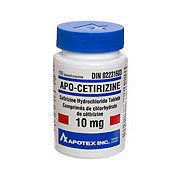
Product Description
Cetirizine Hydrochloride Tablets (10 mg): Second-Generation Antihistamine
Cetirizine hydrochloride is a second-generation Antihistamine used to manage symptoms associated with allergies. While originally approved for human use (commonly known by the brand name Reactine®), it is frequently utilized by veterinarians on an extra-label basis for dogs and cats. Cetirizine works by blocking H1 receptors, preventing histamine from binding and causing the itching, redness, and swelling typically seen with allergic reactions. Because it is a second-generation antihistamine, it does not cross the blood-brain barrier as easily as older drugs like diphenhydramine (Benadryl), generally resulting in less sedation for the pet.
Key Information
Active Ingredient: Cetirizine hydrochloride (10 mg).
Approved Species (Original Licensing): Human.
Common Veterinary Species: Dog and Cat (used extra-label).
Uses: Management of itching (pruritus) associated with atopic dermatitis, flea allergy dermatitis, and insect bites/stings. It may also be used to help manage chronic "stuffiness" or rhinitis in cats.
Form: White, ovoid, biconvex, film-coated tablet, engraved "10 mg" and "APO".
Route of Administration: Oral.
Prescription Required
Cetirizine is a prescription-only medication in this professional format. A valid prescription from a licensed veterinarian is required for purchase. Professional oversight is important to rule out skin infections (bacterial or yeast) that may mimic allergy symptoms but require different treatments. While generally safe and less sedating than other antihistamines, some pets may still experience mild drowsiness or excessive salivation. Your veterinarian will determine the correct dosage based on your pet’s weight and the severity of their clinical signs.
Note for Pet Owners: Always ensure the tablets used do not contain added ingredients like pseudoephedrine (often found in "D" or "Sinus" formulations), as these are highly toxic to pets.
Similar Products
Shop All ProductsSimilar products will be shown here.
Reviews
Leave a Review0(0)